Player Sues Aria Casino Over Disputed $75,000 Markers
 by Kevin Lentz 17.12.2025
A Las Vegas Casino marker dispute is yet again raising questions about player protection, capacity, and casino responsibility.
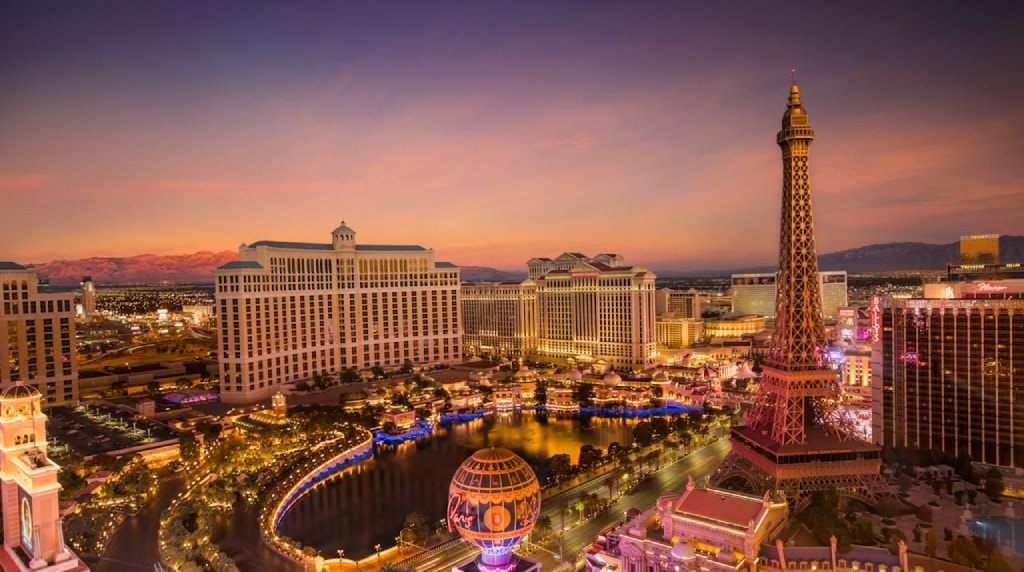
Some Las Vegas guests lose thousands after being overserved. © Stephan Leonardi, Pexels
Key Facts:
- Player claims he woke handcuffed with no memory of $75,000 casino debt.
- Lawsuit alleges negligence and improper enforcement of casino markers.
- Criminal charges tied to markers were later dismissed.
- Case raises renewed scrutiny of casino marker safeguards.
Michael Duke Thomson would not be the first patron to wake up in the neon-tinged morning of Las Vegas with just a dim recollection of what happened the night before, and sadly not the first to find themselves in handcuffs in a casino security holding facility.
But to add insult to injury, the longtime Aria customer found himself not only trespassed from the resort but summarily told that he owed $75,000 in casino markers, that he didn’t remember signing for.
The 64-year-old licensed attorney though isn’t taking this laying down. In a lawsuit filed last week in the Ninth Circuit District Court of Nevada, he accuses Aria and its parent, MGM Resorts, of unjust enrichment by allowing an impaired gambler to sign for tens of thousands of dollars in markers.
A Duty of Reasonable Care
Casinos serve alcohol, and in almost all Nevada casinos, alcohol is provided for free to guests who are gambling. But alcohol and gambling can prove to be a very dangerous combination.
Combine the two with the ability to obtain tens of thousands or even millions of dollars with just your signature on a marker, and things can go south very quickly.
In Nevada, at least, a marker is a legal debt; it’s an on-demand check that the casino has agreed to hold for a specified period, depending on the individual terms with the customer, before presenting it to their bank.
Failure to pay can result in felony charges if the amount exceeds $1,200. County district attorneys handle them, and in Clark County, where Las Vegas is located, they handle thousands of these bad debt cases every year.
In this case, Mr Thomson asked his bank not to pay the debts while he attempted to find out what exactly happened on the night of January 23, 2024, when his last memory is of walking out of the high-limit pit with a few thousand dollars. Aria, according to Mr Thomson’s lawsuit, was not forthcoming with any details.
They did, however, turn his case over to the DA, and Mr. Thomson was arrested and charged. He would eventually pay off the debt to avoid trial on those criminal charges, and charges were dropped, but convinced that he was drugged or over-served, he has now decided to seek justice of his own.
It is illegal for a Nevada casino to allow an impaired person to gamble. Whether that customer was over-served on their property, arrived already impaired, and whether that impairment is caused by alcohol or other substances, they can no longer be served or be allowed to play.
While casinos are very aware of the law, it is fair to say that they often walk a very thin line when it comes to keeping a guest happy and returning and cutting them off and asking them to leave the casino floor after three or four drinks.
Nevada’s Dram shop laws are clear on civil liability relating to alcohol impairment. Consumption, not the serving of alcohol is the proximate cause of any injury which arises. But being drugged might seriously muddy the waters.
Also in 2018, in LaBarbera vs. Wynn, the Nevada Supreme Court overturned a lower court and found that if a customer’s reason was so impaired as to render them mentally unsound, a marker could indeed be voided. It remains to be seen whether Mr Thomson will be able to pursue either line of inquiry in this case.
A Sordid History
There have been several disturbing, high-profile cases where casinos have been accused not only of breaching their duty of care but also of engaging in outright egregious behavior.
Far and away the most famous of these was Terrance Watanabe, who lost $127 million at Harras’s and the Rio in Las Vegas in 2007 and 2008. He was also arrested for outstanding markers totalling more than $14 million. He sued Harrah’s for not only providing him with alcohol but also painkillers throughout his many visits.
Harrah’s denied fault, but reached an undisclosed settlement with Watanabe, keeping the case out of court. While the Nevada Gaming Commission investigated Harrah’s for its alleged conduct, no regulatory action was ever reported.
However, the New Jersey Gaming Commission, all the way across the country from where the alleged actions took place, were so concerned with what they found that they fined Harrah’s $225,000, saying the company’s actions (or lack thereof) in Nevada might harm the perception of the New Jersey gambling market of which they were a part.
Mark Johnston also settled out of court in a high-profile case after losing $500,000 at a downtown casino in 2014. He alleged the company served him over 20 drinks over the course of a Super Bowl party.
This is a common tactic when casinos review surveillance footage and realize they not only have the potential to have a marker voided, but more importantly, face a public accounting for their actions in court.
Conclusion
In the unlikely event that the Thomson case isn’t settled far from the public eye, it will draw attention to the uncomfortable intersection of casino credit, alcohol service, and responsibility: both the casino’s and the player’s.
Markers are serious business in Nevada, and the law treats them as such, but that responsibility needs to cut both ways.
If the courts are ever allowed to rule on these matters and decide that casinos do, in fact, have a responsibility to prevent impaired customers from signing checks, the impact will ripple not only up and down the Strip but across the whole state.
Either way, it’s a stark reminder that in a town built on excess, the line between entertainment and liability is a lot thinner than anyone cares to discuss.
 Preview of The Green Knight Camelot Gold Slot Released 11/26/26
 Ribs’ Golden Crypt Slot Preview: No Bones About It
 Chunky Carlo’s Money Mania Preview: An Offer You Can’t Refuse
 Preview of Barbarossa Beyond the Edge Online Slot