Maine Becomes Eighth iGaming State After Tribal-Only Law Advances
 by Kevin Lentz 15.01.2026
Maine has legalized online casinos, even though regulators warned against it, as the real fight now shifts to implementation.
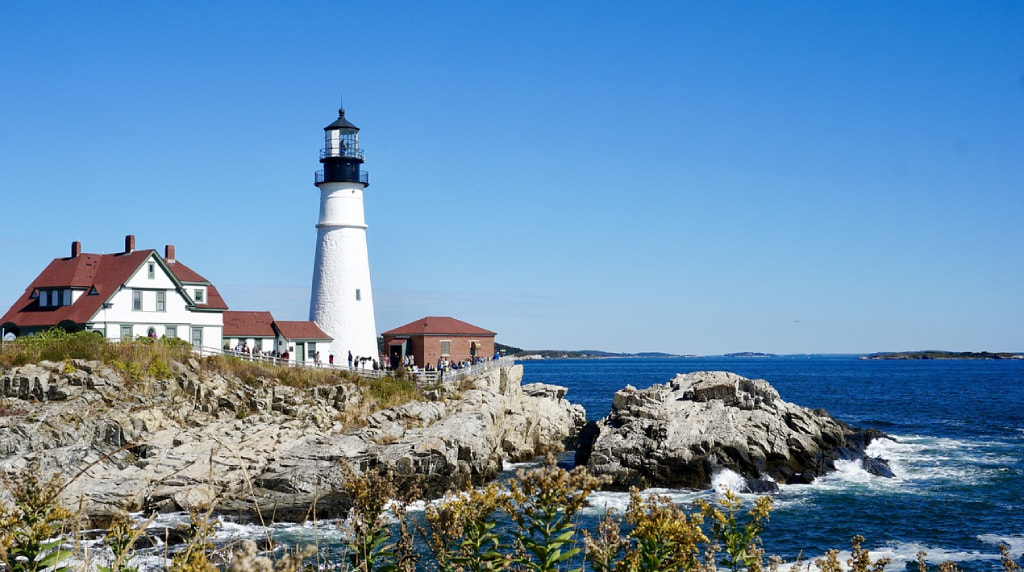
Maine becomes the eight iGaming state. © johnsamwallace, Pixabay
Key Facts:
- Maine becomes the eighth U.S. state to legalize online casinos.
- Tribes receive exclusive rights under the new iGaming law.
- Regulators formally urged a veto but were overruled.
- Oversight, rollout, and revenue distribution remain unresolved.
Maine will see new gaming choices this year as Governor Janet Mills allowed a tribal exclusive online casino bill to become law last week. This will make Maine the eighth iGaming-legal state in the country.
LD 1164 will grant Maine’s four federally recognized tribes the exclusive right to offer games through contracts with third-party operators. That’s similar to California’s early Prop 5 era amendments, which allowed tribes in the state exclusive rights to land-based house-banked gambling decades ago.
The law takes effect 90 days after the legislature adjourns, which is currently scheduled for the end of April.
Little State, National Implications
Online casinos have been stalled since Rhode Island passed an iGaming bill in 2023. Maine’s move though stands out not just for its timing, but also its structure. Lawmakers chose to copy their tribal-exclusive sports betting legislation, pairing it with a relatively high 18% tax on gross gambling revenue.
Supporters argued that something had to be done about grey market, offshore, and sweepstakes casinos, which continued to infiltrate the Maine casino market while not paying taxes and flouting responsible gaming practices.
Critics warned of addiction, job loss at two land-based casinos in the state, as well as concentrating power in the hands of a few national online operators as well as limits on competition.
Regulators Objected, and Lost
The Maine Gambling Control Board had urged the Governor to veto the bill in the run-up to her decision, arguing that the state’s two commercial casinos would face job losses and online gambling would lead to reduced consumer protections.
Board Chair Steven Silver warned that Hollywood Casino Bangor and Oxford Casino employ slightly over 1,000 people and that iGaming would significantly erode land-based revenue.
However, his real concern also likely centred on the fact that the new law will see all oversight of the new online casinos transferred to the Gambling Control Unit, a division of the Main Department of Public Safety, rather than his own department.
Why Mills Let the Bill Pass
Mills ultimately decided not to sign the bill outright, but instead let it become law without her signature, citing concerns about the public health impact of gambling.
But at the end of the day, when weighed against the importance of the economic impact for the Wabanaki Nations, as well as the certainty that many people would continue to gamble online with less safe and regulated grey market products, she chose passage.
In a statement, she said she had confidence that Maine’s new Gambling Control Unit would develop responsible standards for the new market and stressed her belief that the bill would improve the lives of Tribal members.
What Happens Next?
With the back-and-forth of legislation now settled, it’s time to look ahead to implementation. Regulators will need to draft rules, approve partners, and clarify their oversight authority, all areas that critics say are currently legally ambiguous.
And even now, the bill’s likelihood of becoming a law isn’t 100% assured, as Maine has a rather unusual law called the People’s Veto, which ensures that the populace has a say in all legislation.
Should the National Association Against iGaming, which has vehemently opposed the law from its inception, manage to gain around 60,000 signatures on a recall petition the law will be stayed, and it will need to pass a majority vote to stay in place.
Uneven Benefit?
Maine’s sports betting market also serves as a cautionary tale here. While all four tribes hold licenses, the partnerships with Caesars and DraftKings have produced what are widely seen as uneven results. This raises the question of whether iGaming revenue will be more evenly distributed across tribal communities.
As Maine prepares to draw up rules and regulations for its online casinos, the questions remain: not only will iGaming manage to stay legal, but also who will control it, who will benefit most, and just how tightly will it be regulated?
 Preview of The Green Knight Camelot Gold Slot Released 11/26/26
 Ribs’ Golden Crypt Slot Preview: No Bones About It
 Chunky Carlo’s Money Mania Preview: An Offer You Can’t Refuse
 Preview of Barbarossa Beyond the Edge Online Slot