Gaming Regulators Reflect on 2025 Progress and the Road Ahead
 by Kevin Lentz 08.01.2026
The core concept for state gaming regulators in 2025 was increasing cooperation while facing down huge disruptions from new tech.
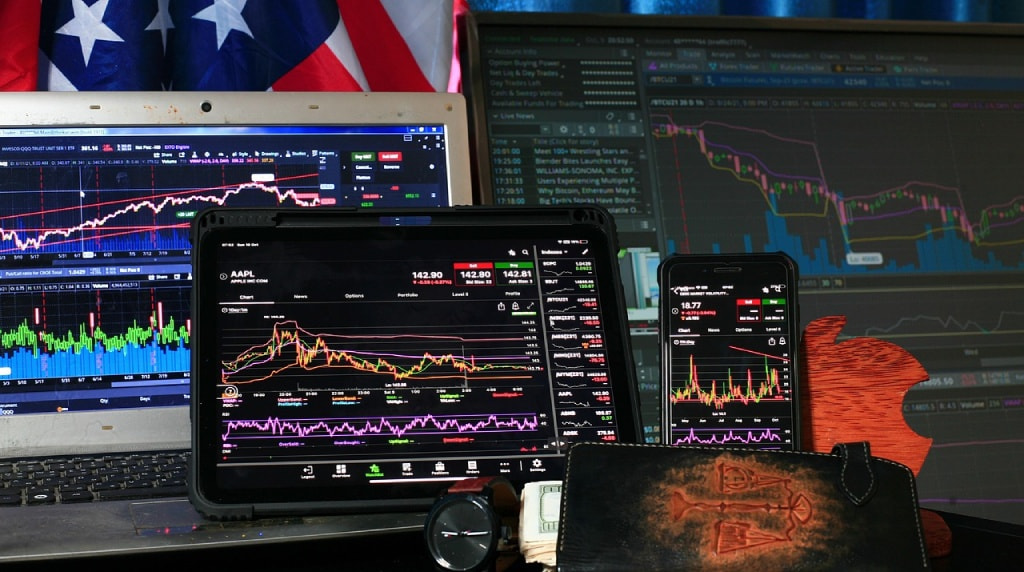
US prediction markets plagued state regulators in 2025. © Sergeitokmakov, Pixabay
Key Facts:
- Regulatory cooperation increased across US and Canadian markets
- Sports integrity and responsible gaming remained top priorities
- Prediction markets created new regulatory tension in the US
- High profile sports betting scandals impeded consumer trust
North American gaming regulation continues to mature in 2025 after several years of breakneck expansion, especially on the sports betting side of the business. But tighter coordination between jurisdictions and increasing enforcement activity, especially against sweepstakes casinos, showed industry regulators were growing into their new roles as well.
As market growth slowed this past year, legislators and regulators alike brought tighter scrutiny to new products and rethought the regulatory framework, which is as varied as the over 40 states and provinces that now have legalized gambling in some form.
Throughout the US and Canada last year, agencies began aligning enforcement strategies, sharing intelligence and reinforcing consumer protections as gaming ecosystems increasingly became more interconnected.
Confluence of Cooperation
In a recent interview, Jeremy Locke, President of the North America Gaming Regulators Association (NAGRA) laid out the changes that his governing body has seen this past year, and chief amongst them was this growing willingness of regulators to reach across borders and jurisdictions when the situation requires.
This new era of shared information and responsibility was especially evident in some high-profile sports betting cases. An FBI case this year involving New York organized crime families and NBA players and coaches can best be described as sprawling. It involved players in Miami, coaches in Oregon, and illegal sports betting on both the East and West coasts, but many places in between as well.
While many people involved allegedly broke federal laws, particularly around money laundering, most gambling laws are only state-level offenses and necessitate significant coordination not just between state agencies and the Feds but also between those state agencies.
Sweepstakes Scourge
Another theme for 2025 was the cross-country crackdown on Sweeps casinos. And here again, there was increased cooperation and information sharing. Many state legislatures used nearly identical language in bills to ban sweeps, and that was no coincidence.
While NAGRA does not issue model legislation, the association plays a lead role in aligning regulatory thinking across jurisdictions. Through conferences and working groups, these regulators often end up with very similar language to be used in disparate state capitals when it comes time to draft the legislation.
There were similar convergences seen in the raft of cease and desist letters issued by dozens of state attorneys general this year.Identical phrasing around terms like dual-currency systems and simulated casino games was no accident, but a close observation of what was working and what wasn’t in other states pushed to force the Sweeps operators out.
Prediction Markets Prove Problematic
Perhaps the biggest challenge of 2025 for regulators was one they didn’t see coming, and that was the rise of prediction markets. In the United States, at leas,t these markets continue to blur the line between licensed event contracts and say, sports bets.
Structured as simple binary contracts (yes/no) they allow “investors” to trade with a counterparty on the outcome of almost any given event, from the capture of the Venezuelan president to whether Ole Miss will win the NCAA championship.
The current administration has taken a very hands-off approach to these markets with are not regulated by the states but by the Commodities Futures Trading Commission (CFTC), a federal agency. This has not set well with most states gaming regulatory agencies, with a half dozen state lawsuits filed already.
The core concept is that these large national prediction markets can siphon off state revenue derived from taxes on wagering on sports without being licensed or paying for the privilege of doing business in that jurisdiction. They also seem to play fast and loose with responsible gaming protections.
This new wrinkle in the regulated gaming market will probably take years to be worked out in both state and federal courts, and has some fascinating constitutional and states rights issues, but will prove a thorn for both NAGRA and licensed and regulated casino operators for the near future.
Looking to 2026
NAGRA’s Locke and most other experts believe that 2026 will see a continuation of 2025 with a focus on enforcement consistency across jurisdictions, more and varied oversight of quickly emerging new technologies, and cooperation and information sharing not just between US regulatory bodies but international ones as well.
As growth slows, the tone will likely shift to stability, integrity, and most importantly, sustainability over the long haul. All of which will allow NAGRA and its members more time to puzzle over the contentious problem brought on by Polymarket, Kalshi and soon a whole army of prediction market clones.
 Preview of The Green Knight Camelot Gold Slot Released 11/26/26
 Ribs’ Golden Crypt Slot Preview: No Bones About It
 Chunky Carlo’s Money Mania Preview: An Offer You Can’t Refuse
 Preview of Barbarossa Beyond the Edge Online Slot