US Gambling Tax Shift May Force Erik Seidel to Reduce Poker Schedule
 by Kevin Lentz 19.12.2025
New US laws on loss deductions threaten to reshape professional poker.
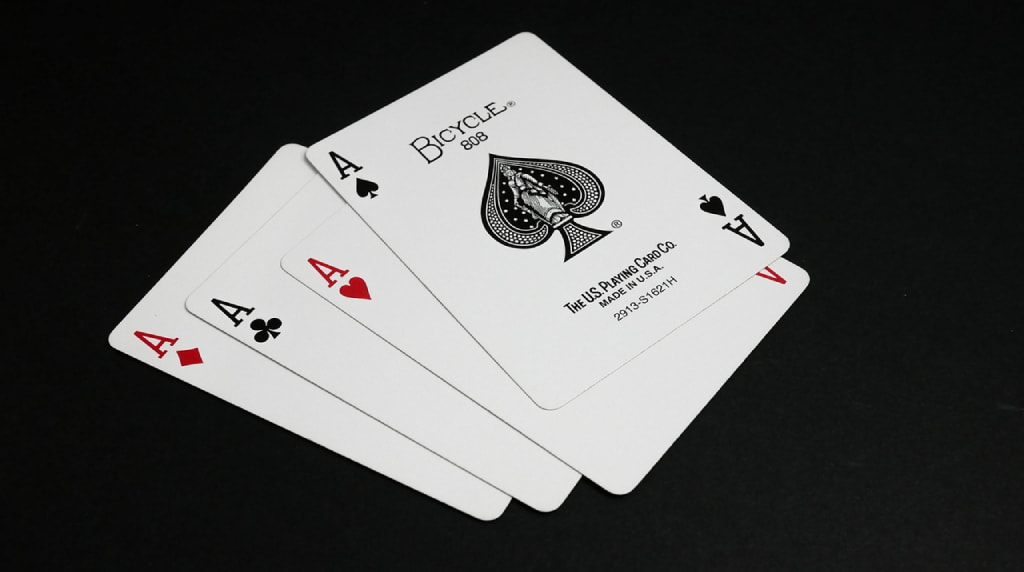
Poker professionals weigh stepping back after new tax law © tomekwalecki, Pixabay
Key Facts:
- US tax law limits gambling loss deductions to 90% starting in 2026.
- Erik Seidel says the change could make full-time tournaments unviable.
- High-stakes poker players may owe taxes even when breaking even.
- Industry leaders warn of long-term damage to US poker.
Buried so deep in this year’s 870 Big Beautiful Bill legislation, so deep in fact that almost every legislature who voted for it claimed not to know it was there, was a time bomb aimed at professional gamblers in particular, but pro poker players in particular.
The new tax law will limit deductions on losses to only 90%. This means a break-even major tournament grinder might still owe tens of thousands of dollars at the end of the year, despite not making any money. And for many major players, variance means a year where they don’t perform well isn’t uncommon, although it is usually balanced out by years where they do better.
Ten-time WSOP bracelet winner, Erik Seidel, is just the latest pro to speak out about the unfortunate consequences created by the new law. He has publicly stated that he plans to spend only 10% to 15% of his regular yearly allotment on high-end tournament buy-ins this year, as he waits to see if Congress will reconsider and amend the bill.
He also plans to play more sub 10k buy-ins, which may be due to threshold reporting requirements for wins. However, his biggest concern is the long-term damage to the worldwide poker ecosystem, as well as the potential for some players to be tempted to cheat on their taxes, resulting in harsh penalties and lifelong repercussions should they be caught.
Not Just a US Problem
Us citizens, regardless of residency, owe taxes on income from anywhere in the world. US players living in Europe or Dubai can’t simply ignore this law, and if all US players make the same calculations as Mr Seidel, it may have a significant impact on poker tournaments, both online and offline, across the globe.
While some European players may view a reduction in American players as a positive development, the potential decrease in prize pools is certainly not cause for celebration. The impact on regional WSOP events in the US is also difficult to gauge.
Will It Be Fixed?
Seidel in his comments to the press also stated that he is hopeful that the powerful casino lobby will be able to get the law changed at some point. And other pro players like Phil Hellmuth, have been reaching out to politicians on both sides of the aisle to attempt to get some help.
His close friend, Senator Ted Cruz (R) from Texas, cosponsored the FULL HOUSE Act, which would overturn the law. And it is also strongly supported by Nevada Senator Catherine Cortez Masto (D).
But like anything in Washington these days, the odds of getting the bill passed are inextricably tied to partisan battles and horse trading that have little to do with the actual merits of this bill, or the unfairness of targeting a specific industry in the first place.
Which is to say that any legislative redress may be a long time in coming.
Conclusion
The 2026 poker tournament is likely to be affected by these recent changes to the law, and there is no clear indication of when the situation might be addressed. Due to the vagaries of long-standing US tax code, the impact will be felt not just in the US but in Europe and other jurisdictions which have a large American player base.
Asking players to risk owing thousands, or even tens of thousands, of dollars in taxes after a losing year adds insult to injury in an already volatile profession. If the issue remains unresolved, it is unlikely that only outspoken figures like Seidel and Hellmuth will scale back. Many others will quietly follow.
 Preview of The Green Knight Camelot Gold Slot Released 11/26/26
 Ribs’ Golden Crypt Slot Preview: No Bones About It
 Chunky Carlo’s Money Mania Preview: An Offer You Can’t Refuse
 Preview of Barbarossa Beyond the Edge Online Slot