Three Innovations That Have Shaped the Modern Slot Machine
 by Roy Brindley 13.07.2026
Slots went electric in 1976 when a 19-inch Sony Trinitron colour TV was adapted and placed into a cabinet to become the first video slot. There have been two major innovations since, and slots are now the most popular game in casinos.
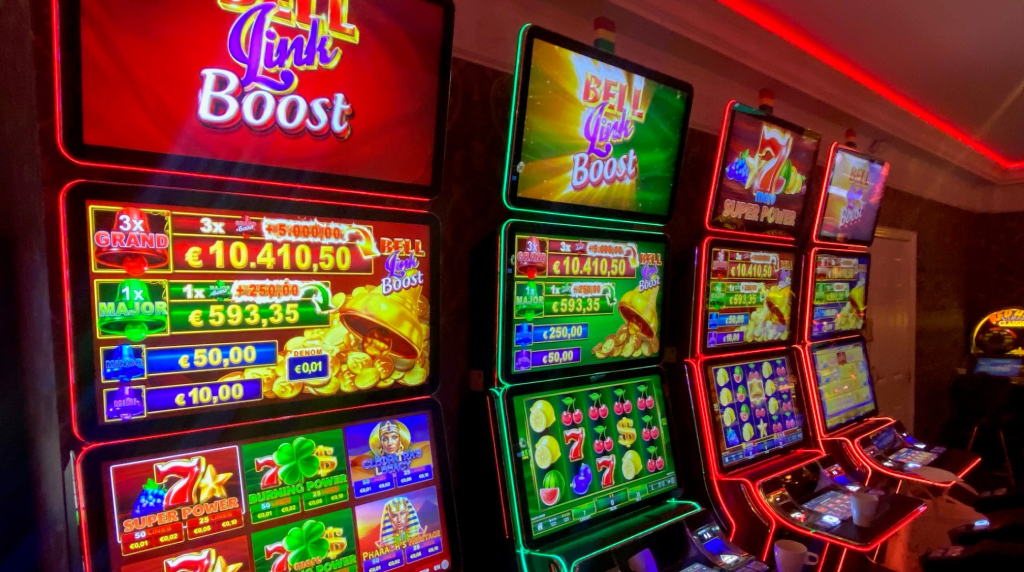
Slots went electric in 1976 and have evolved decade by decade ever since.
1976: The Year Slots Went Electric
Although slot machines first appeared in the 1890s, they evolved very little until 1976. This was the year when a modified 19-inch Sony Trinitron colour TV screen was paired with circuit boards and placed in a cabinet to give the world its first video slot.
Replacing physical mechanical reels with an electronic screen to simulate spinning reels made gameplay more flexible and paved the way for modern video slots. However, video slots were not immediately loved by all players.
Traditionalists preferred the tactile feel of mechanical reels. More complex games, multi-line play, bonus features and novel graphics slowly brought players around. Concurrently, video poker emerged, and it quickly became a big hit.
The shift from purely mechanical to electronic/video-based machines laid the foundations for today’s digital slots, online slots, video poker and even online poker. If comparing casino play to music history, this was the moment Bob Dylan put down his acoustic guitar and plugged in his Sunburst Fender Stratocaster.
Progressives Were a Jackpot Winner
A decade later, in America in particular, there was a second defining moment in the history of slot machines. The introduction of wide-area progressive jackpots – linking a network of machines from a broad area to fund a growing jackpot – boosted their appeal immeasurably.
The first major progressive jackpot win came on February 1, 1987, when a Harrah’s Reno player hit a $4.98 million prize on the Megabucks machine. The same jackpot today would be worth $15 million.
Clearly, slots were on an upward trajectory in the 1970s and 1980s, but a rolling stone gathers no moss. Ten years after progressive jackpots came into play (and on the 20th anniversary of video slots), the next significant event in slot history occurred.
Inventing the Wheel: A Catalyst for Growth
The next shot in the arm was the introduction of the branded slot. Remarkably, the forerunner, the Wheel of Fortune slot, did not initially feature the wheel that made its TV namesake famous. Nevertheless, this simple, traditional slot centred on the popular game show was instantly successful.
It's had some makeovers but the Wheel of Fortune slot is still considered the best in North America – right? pic.twitter.com/QUFSYFjZyd
— Sports & Betting History by BestBettingSites (@BettingSitesCom) March 30, 2026
The Wheel of Fortune slot acted as a catalyst for an explosion in the popularity of branded and themed slots. Elvis, a Las Vegas icon, was the next figure to be branded on slots. Seeing an upswing in play on these new machines, major game providers – IGT, Aristocrat, Playtech et al. – soon pounced on any collaboration they could secure.
If It’s an Icon, It Has a Slot
Austin Powers – with films released in 1997, 1999 and 2002 – was adapted into slot games. Furthermore, in the early 2000s, age-old board games such as Monopoly had their own slot versions. Classic movies and blockbuster film franchises were next on game makers’ radars.
From The Wizard of Oz to Star Wars, Gladiator to Batman, Rocky to Squid Games, and even TV series such as Vikings and Game of Thrones, if a film or TV show has ever enjoyed a significant following, a slot has been made for its fans at some point over the past 25 years.
And it is not only television and film icons that have made the jump from TV screens to slot interfaces. Guns N’ Roses, Jimi Hendrix, The Village People, KISS, and Motörhead are among the musical artists with slots that can be seen and heard on casino floors.
The Next Big Thing for the Big Winner
Blending entertainment with gambling, modern machines now use high-end graphics, multiple curved-screen setups and immersive audio to keep players engaged. Traditional mechanical reel slots have long since vanished, but themed and branded slots continue to dominate casino floors and online platforms.
Slots have grown considerably in popularity over the past five decades due to regular innovations. Now, Nevada, a reliable benchmark given its 300-plus casinos, reports that slot revenues are twice those of traditional table games.
Will this impressive market share continue until the next innovation is unveiled and embraced? And what will be the next big thing in the slot world? Game developers believe the future prosperity of slots depends on player engagement with an emphasis on immersive AR experiences. Maybe the future is already here…
 Slot Sequels: Why Do Some Succeed and Others Fail?
 5 Exciting Slot Games Where You Hunt for Treasure
 Try Your Luck on These 5 Popular Roulette Games
 How Your Online Casino Customer Support Experience Should Be