Why Prepaid Gaming May Be the Future of Online Casinos
 by Kevin Lentz 13.10.2026
Cashless gaming has been the next big thing since Windows XP was still my go-to operating system. But there’s no denying that with each passing year, both the technology behind it and the use cases for deploying it get stronger. Most of that appeal comes from the convenience of cashless play without forfeiting limits or linking your bank accounts.
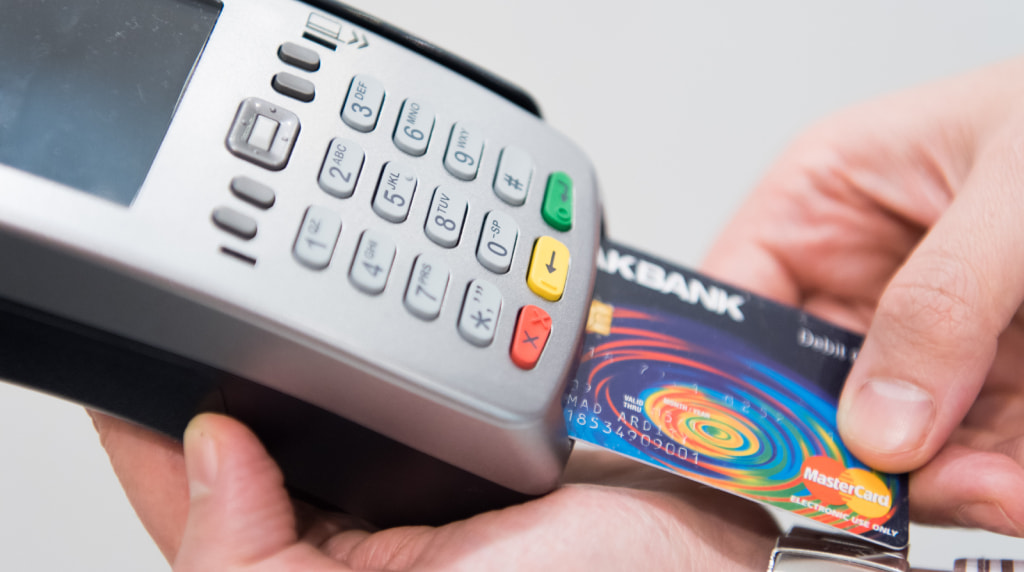
Are prepaid cards the future of iGaming? © AhmadArdity, Pixabay
So, Why Prepaid?
We know what you’re thinking, though. A prepaid card just sounds like a debit card with extra steps? But the answer is surprisingly simple: keeping an extra wall around your gambling money. Load $100, and you have exactly that $100 to play with.
It’s not $80 because the light bill just cleared, and certainly not $200 because you decided you were going to chase your losses. There’s no credit line behind it, no availability to access your entire bank account balance, no possibility of overdrafts. And no need to share all your private info with yet another database.
Some payment systems, like the one offered up by Paysafecard, take this kind of privacy to whole new levels. You purchase a 16-digit PIN, and then you can use it with participating merchants, including many licensed online gambling operators.
In the US, they limit individual transactions to just $300, which might be a bit of a low ceiling but has the unintended consequence of ensuring that people don’t gamble far beyond their bankroll.
But that combination of built-in limits , along with the ability to use a card not tied to your entire life that might prove problematic should it be exposed in a data breach, is what explains the appeal of paysafecard casinos, even if it adds a bit of friction that you might not experience with other cashless options.
Normally payment companies spend fortunes trying to eliminate this kind of friction, but when you’re gambling, sometimes having to stop, breathe and reload isn’t always a bug; it might, in fact, be a feature.
Regulators Prefer Speed Bumps
It’s not just consumers who prefer a little thinking time before they start to empty their bank accounts during a tough session. Increasingly, we find regulators pushing back on this idea as well. Several states already restrict the use of credit cards for online gambling, though it is still very much a state-by-state affair. But, for instance, Massachusetts, Virginia, and Illinois all prohibit the use of credit cards.
This helps create an interesting opening for the prepaid products; they can provide many of the same options without borrowed money becoming part of the conversation. Of course, regulators aren’t just giving the prepaid operators a free pass either. Anonymous or lightly identified payment methods can raise their own questions about fraud, money laundering, and age verification. Even prepaid will need to balance some privacy with the ability of regulators to know who is on the other end of a bet.
Prepaid’s Perennial Pitch
Of course, we’ve been hearing about how cashless gaming is the future for a decade or longer now, and the future keeps getting rescheduled. At G2E this year, even casino executives and payment operators bemoaned slow adoption. Charlie Skinner, President of Marker TRAX and Koin admitted he expected the industry to be much farther along by now.
So why should prepaid adoption be moving at anything other than a snail’s pace? Well, because the logical next step isn’t about just replacing cash, but about tying payments to loyalty.
Imagine loading $500 into your casino account and using that same balance to gamble online, to bet in the sportsbook, or even make bets on the casino floor.
Or perhaps even pay for dinner or your hotel room, all while downloading your winnings to this same account as you go. That means every eligible dollar spent across the entire property, and even online, gets credited to your loyalty account, making sure you earn points and rewards.
Paysafe, for instance, has already started down this road with its white-label wallet technology that allows operators to put their own brand on the customer experience and their loyalty experience all while they handle almost all the payment structure underneath all that spend.
Prepaid may not be the ultimate friction free destination that operators prefer, but its potential right now to let people tie their omnichannel casino experience into one simple loyalty/spend account while still appeasing regulators may be what moves us much closer to that final stop.
Are We There Yet
Look, cash isn’t disappearing from the casino cage tomorrow. But prepaid does solve some problems that debit cards and other cashless options don’t, especially for those players who want a hard line between their gambling bankroll and the rest of their money.
It also allows the idea to grow beyond just loading $100 onto a card and spending it online. Combine prepaid funding with a digital wallet, loyalty account, online gambling offers, and the ability to spend across an entire casino ecosystem all while getting discounts and promotions, and suddenly there is a much more interesting reason to skip the $8 fee at the ATM the next time you need folding money for the slots.
After more than ten years of waiting for the cashless casino to arrive, even the new capabilities being offered up by prepaid probably won’t get us across the finish line by themselves. But if tied to loyalty and lower overall fees for consumers, it might move us a lot further down the road.
 Why Prepaid Gaming May Be the Future of Online Casinos
 Sequel Syndrome: Why Some Slot Follow-Ups Flop and Others Level Up
 X Marks the Slot: 5 Treasure Hunt Titles Worth Chasing
 Roulette Roundup: Five Games Worth Spinning Right Now