US Gambling Laws Tighten in 2026: Micro-Bets Targeted
 by Kevin Lentz 03.04.2026
A fast-moving wave of gambling legislation may reshape how Americans bet in 2026.
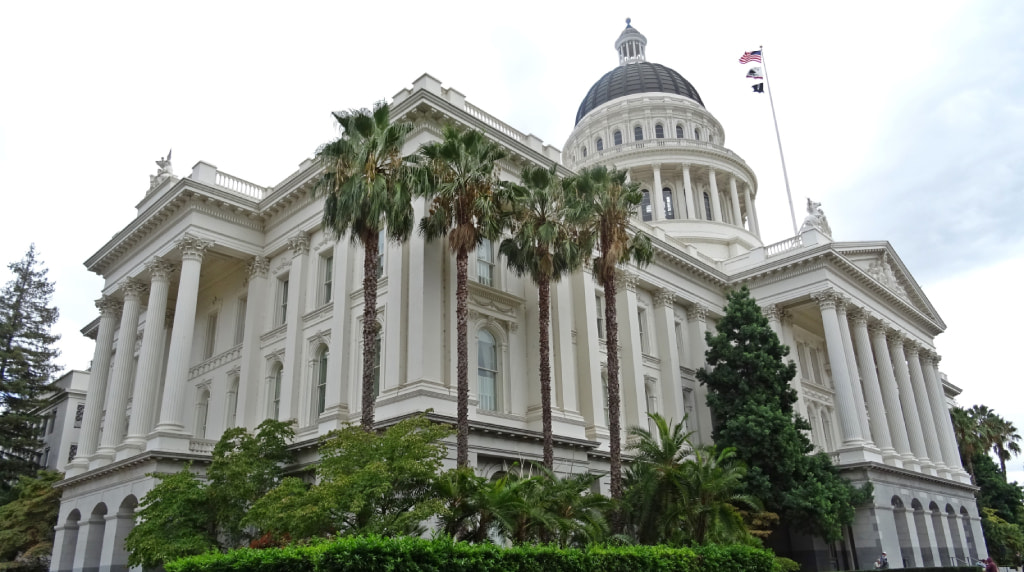
California will see enormous changes to its card rooms as new laws bite in 2026. © sarangib, Pixabay
Key Facts:
- 28 states advancing new gambling laws targeting online, retail, and mobile betting.
- Micro-betting and sweepstakes casinos face increasing bans and restrictions.
- College prop bets and Prediction Markets under growing regulatory pressure.
- States split between outright bans and regulation with new taxation models.
A broad regulatory shift is underway across the US, with 2026 shaping up as one of the most aggressive years for gambling legislation since legalization expanded after 2018.
Lawmakers are no longer focused on just one vertical. Instead, they are targeting everything from sweepstakes casinos to prediction markets. Even in-play sports betting and some retail gaming machines are at risk.
Micro-Betting and Sweepstakes Caught in Crosshairs
In a surprising twist, micro betting in sports, heralded just a few years ago as the saviour of the sports betting model, has faced increasing regulatory pressure. Micro betting is betting on granular, real-time events in a sporting event. Think ball, strike, or put into play in baseball, or whether the next down is a run or a pass in football.
This has a massive influence on handle, or the actual amount wagered during an event. Dozens of frequent bets, even at smaller amounts, can give a book much more opportunity to see the house edge come into play over time, versus one larger bet on the outcome of that event.
New Jersey’s SB2160 would outright ban micro bets, which it defines as live wagers on the very next play or action. The Council on Compulsive Gambling in New Jersey argues that these fast-paced bets can contribute to players losing control and lead to compulsive gambling.
Others simply say that there is too much integrity risk built into these bets, as single players can easily fix not just one bet, but an entire string of them. DraftKings and FanDuel have already limited bets on individual outcomes to a $200 maximum, and these rapid-fire bets are no longer allowed on parlay tickets, as well as reduced individual prop bets on single NCAA players in many states.
Sweepstakes casinos, which use a dual-currency model that allows for gold coins and sweeps coins, and mimic various casino games in a bid to function as a no-purchase-necessary promotional contest rather than gambling, are also facing intense blowback.
While California, New Jersey, and New York, along with a handful of other states, prohibited Sweeps casinos in 2025, the loud drumbeat of pending legislation continues in places like Virginia, Oklahoma, Maine, and Indiana.
On top of that, we see Attorneys General in states like Illinois, Minnesota, Tennessee, and Pennsylvania issuing cease-and-desist letters by the dozens.
While the industry continues to make a play to be considered a legal form of entertainment in one shape or another, as what they euphemistically refer to as social plus platforms, their lobbying efforts, though picking up steam, have so far fell on deaf ears.
That likely means by the end of 2026, more than half of the states will have prohibited this form of gaming.
Prediction Markets and Campus Betting
Words can barely describe the confusion brought about by prediction markets. To call it a tug of war between federal oversight of derivatives markets and the Supremacy Clause on one hand and the States rights under McCarran-Ferguson and general policing powers on the other, barely does it justice.
As one might have expected, many states are not simply laying down and allowing prediction market makers like Kalshi or Polymarket to offer what they believe to be sports betting without regulation or taxation.
And again, to say that various states are offering a plethora of reasons these markets shouldn’t be regulated at the federal level by the CFTC is an understatement.
At least a dozen states have so far passed legislation and opined on the legality of these prediction markets, usually specifically regarding their use of event contracts to allow bets on the outcomes of sporting events.
Utah expanded the definition of prop bets and event-based contracts in its bid. Hawaii just added prediction markets to its list of illegal gambling outright.
Many others have simply called for the markets to licensed and taxed as more traditional sportsbooks, like Iowa, New York and Kentucky. But Illinois and others have focused on a particularly egregious issue with prediction markets and sports betting and that is college campuses.
Prediction markets and the NCAA, as well as various state regulatory agencies, have clashed time and time again over the 18+ loophole, which treats these markets like trading or investment accounts.
In nearly every one of the 36 states with legalized sports betting, the legal age is 21. Prediction markets turned years of responsible gaming legislation and messaging aimed at keeping gambling off college campuses on their heads in just a few short months.
Even the market makers recognize both the reputational and integrity risks associated with college betting. Just last month, both Polymarket and Kalshi announced they would preemptively block college athletes and staff from trading.
Of course, that begs the question of roommates and friends making bets on athletes, as we’ve seen in multiple other cases.
This legal morass will almost certainly end up before the Supreme Court in one or more cases over the next several years as these new laws are litigated in various courts across the country.
Another outcome would be Congress stepping in with new laws, but bipartisanship has been lacking more than usual over the past few years, and the current administration has strong ties to prediction markets, largely limiting the impact of legislation for the foreseeable future.
The Year Ahead
2026 would appear to be a year of massive regulatory contraction when it comes to gambling. Many states appear poised to ban micro betting altogether, with even operators stepping in to limit betting on these wagers to prevent outright prohibitions.
Sweepstakes are being squeezed in another twelve states this year after a massive blow in some of the most populous states last year. It remains to be seen whether the Social Gaming Leadership Alliance pivoted in time for its Social Plus rebrand. Still, it would appear this vertical is under enormous pressure again this year.
Perhaps Kalshi should open a contract on its litigation budget for 2026, as every day seems to bring a new state challenge either from legislators, regulators or Attorneys General. While cases in both federal and state courts have been mixed, they would appear to be losing in the court of public opinion on the issue of underage gaming.
 Preview of The Green Knight Camelot Gold Slot Released 11/26/26
 Ribs’ Golden Crypt Slot Preview: No Bones About It
 Chunky Carlo’s Money Mania Preview: An Offer You Can’t Refuse
 Preview of Barbarossa Beyond the Edge Online Slot